
Published February 18, 2025
What are the Differences Between an Offer to Purchase Contract and a Purchase & Sales Contract?

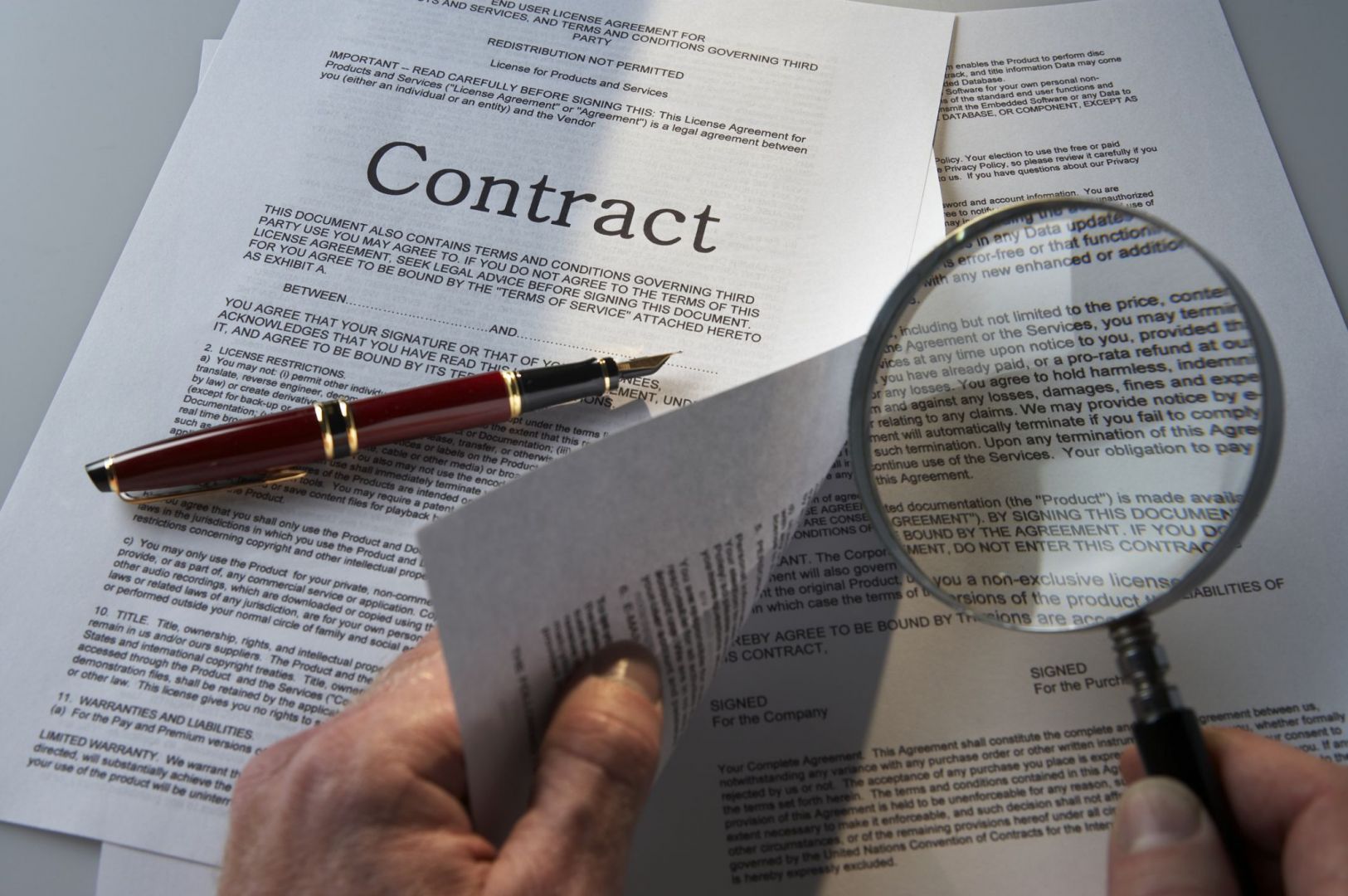
Understanding the Difference Between an Offer to Purchase and a Purchase & Sale Agreement
When buying a home, you'll come across two important contracts: the Offer to Purchase and the Purchase & Sale Agreement (P&S). While they may seem similar, they serve different purposes in the transaction.
Offer to Purchase vs. Purchase & Sale Agreement
Offer to Purchase – This is the initial contract between the buyer and seller. It lays out key terms such as price, deadlines, and contingencies. The offer can be negotiated and countered multiple times until both parties reach an agreement—or one party walks away.
Purchase & Sale Agreement (P&S) – Once both parties agree on the terms in the offer, they sign the P&S, which provides more detailed terms and responsibilities for both the buyer and seller. This document officially replaces the Offer to Purchase.
How It Works in Massachusetts
- The Offer to Purchase includes a deadline for signing both the offer and the later P&S agreement.
- A deposit (also called earnest money) is typically required with the offer—often $1,000, which is held in escrow by the listing broker.
- After the home inspection, an additional deposit (often up to 5% of the purchase price) is made when signing the P&S agreement.
- The P&S agreement provides more details on each party’s obligations and solidifies the contract terms.
Are Both Documents Legally Binding?
Yes—both the Offer to Purchase and the P&S agreement are legally binding contracts. Even though the P&S eventually replaces the offer, the initial offer still holds legal weight once signed.
What About Rhode Island?
Unlike Massachusetts, Rhode Island combines both steps into a single Purchase & Sale Agreement. That means buyers and sellers agree to all terms in one contract, rather than signing two separate agreements.
Why This Matters for Buyers
Understanding the difference between these contracts helps you navigate the homebuying process with confidence. If you have questions about how this works—or you're ready to start your home search—let’s connect!